The Condo Rules Just Changed: What Charlotte Condo Owners, Buyers and HOA Boards Need to Know Before January 2027
What to know before buying a condo
By Danielle Edwards | RE/MAX Executive | SoldONDanielle.com
If you own a condo, the rules for selling it changed this year, and nobody told you.
Fannie Mae, which backs a large share of the conventional mortgages in the country, rolled out a series of condo rule changes in 2026. Some are already in effect. The biggest one arrives on January 4, 2027. Together, they change how lenders look at a condo building, and whether a buyer can get a conventional loan to buy a unit in yours.
Here’s what changed, and what to do about it.
Change one: Limited Review is gone
 Effective August 3, 2026
Limited Review was the shortcut. For many established condo buildings, a lender could approve a loan with a light look at the project, and it covered roughly 40% of condo project reviews.
That shortcut is now retired. Every condo purchase now goes through a Full Review, which means someone actually reads the building’s file, including:
- Deferred maintenance: what the association has put off
- Engineering reports: and what they concluded
- Structural condition of the building
- Special assessment history
- The reserve study, cover to cover
For buyers, that means more paperwork and more time. For owners, it means the health of your association now shows up in every sale.
Change two: reserves must rise from 10% to 15%
 Effective January 4, 2027. This is the one that matters most.
Today, Fannie Mae requires a condo association to put at least 10% of its annual budgeted assessment income into reserves. Starting January 4, 2027, the minimum rises to 15%.
What happens if a building falls short:
- Reserves under 15%: the building doesn’t meet the new standard.
- Classified non-warrantable: lenders can’t sell those loans to Fannie Mae.
- No conventional financing: most buyers can’t use a standard mortgage.
- Cash and portfolio-loan buyers only: a much smaller pool of buyers for every unit in the building.
A smaller buyer pool puts pressure on price and time on market for every owner in the building, not just the one who’s selling.
What this means is communities will have to raise their HOA dues, do a special assessment to raise the reserves, or do nothing, which will vastly affect resale values, sales, and mainly be open to investors or cash buyers.
Comparison of condominium sales by decade

Newer condos trending longer on the market this is including the build time also the surplus now of condos being built.
The 1960-80 range is getting the lowest percent of list price. This could be because of higher hoa dues, older looking buildings, popcorn ceilings, low ceilings, no garages.
SALE PRICE OF ALL CONDOS NOT ON THE WATER AND RESALE ONLY**
The full timeline: four dates, one direction
| Date | What changed |
|---|---|
| 3/18/2026 | The investor concentration cap was retired for established projects, and buildings with 10 or fewer units can qualify for a review waiver. |
| 7/1/2026 | The master insurance policy deductible is capped at $50,000 per unit. |
| 8/4/ 2026 | Limited Review eliminated. Full Review on every purchase. |
| 1/4/2027 | Minimum reserve contribution rises from 10% to 15%. |
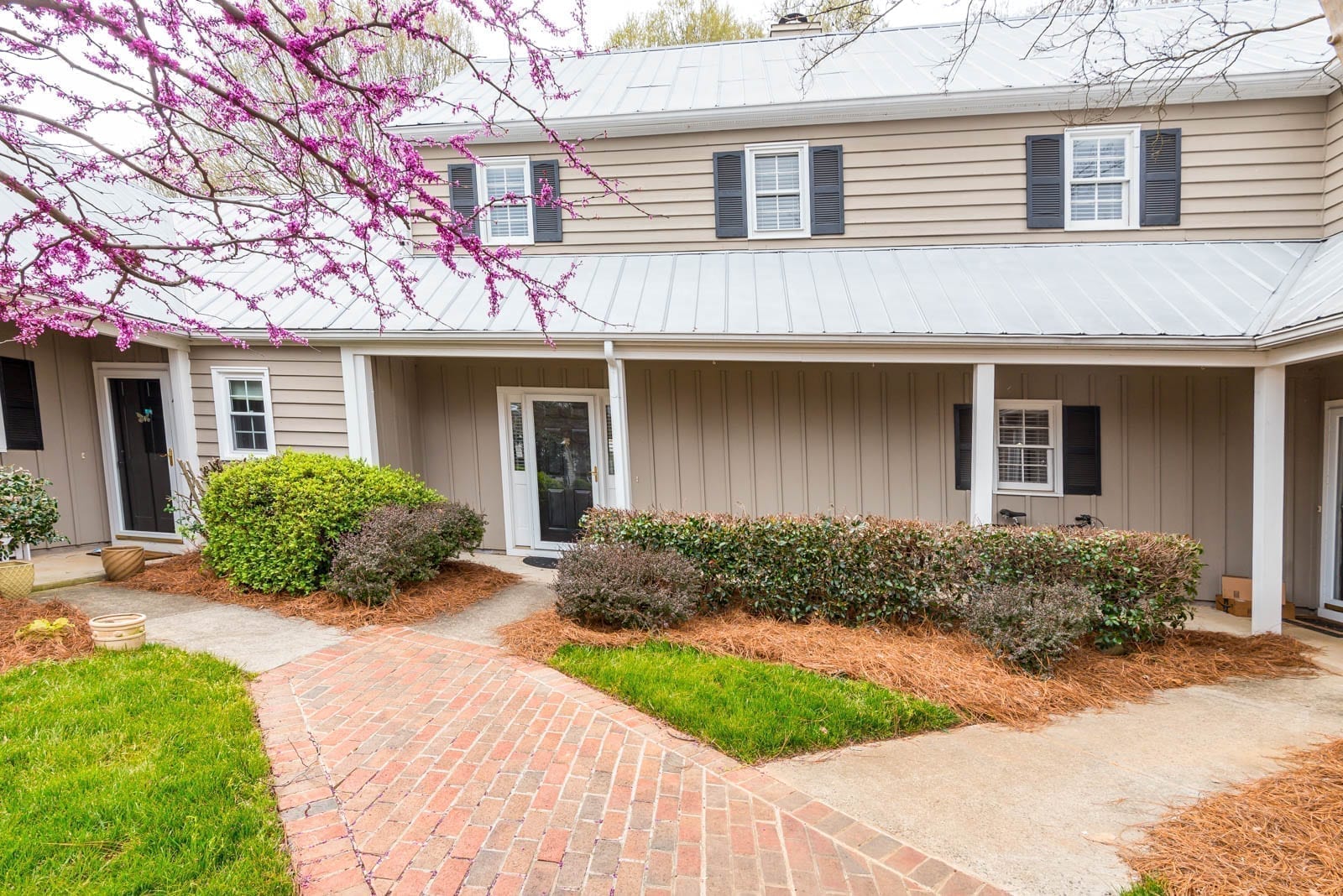
Condo Living
If you own a condo: ask your HOA one question
“What percentage of our annual budget goes to reserves?”
If the answer is under 15%, one of two things is coming: dues go up, or the building gets harder to sell. Often both.
Also worth asking:
- When was the last reserve study, and does the budget follow its recommended funding level?
- Are there any engineering or structural reports on file, and what did they find?
- Is a special assessment planned to catch up?
- What is the master policy deductible per unit?
If you’re thinking about selling in 2027, knowing these answers now gives you time to plan your price, your timing and your disclosures.
If you’re buying a condo: start the questionnaire on day one
With Full Review on every purchase, the lender’s condo questionnaire and the association’s documents take longer to gather.
- Order the lender questionnaire the day you go under contract, not the week before closing.
- Build the extra days into your due diligence period, not into your closing date.
- Read the reserve study and budget before your due diligence ends. A building below 15% today may face higher dues or a special assessment soon.
- Ask your lender early whether the building qualifies for conventional financing.
If you serve on an HOA board
The January 2027 deadline is close. A board that raises its reserve contribution now protects every owner’s ability to sell with conventional financing. Talk with your management company and reserve study provider about where your budget stands against the new 15% minimum.
Where does your building stand?

RE/MAX EXECUTIVE
I’ll help you find out whether you’re planning to sell, weighing a purchase, or just want to know what these changes mean for your investment,
Danielle Edwards, RE/MAX Executive 704-604-2999 | info@soldondanielle.com | SoldONDanielle.com
I’m a real estate broker, not a lender, and these rules are moving quickly. Confirm anything loan-specific with your lender before you act on it. Source: Fannie Mae Lender Letter LL-2026-03.